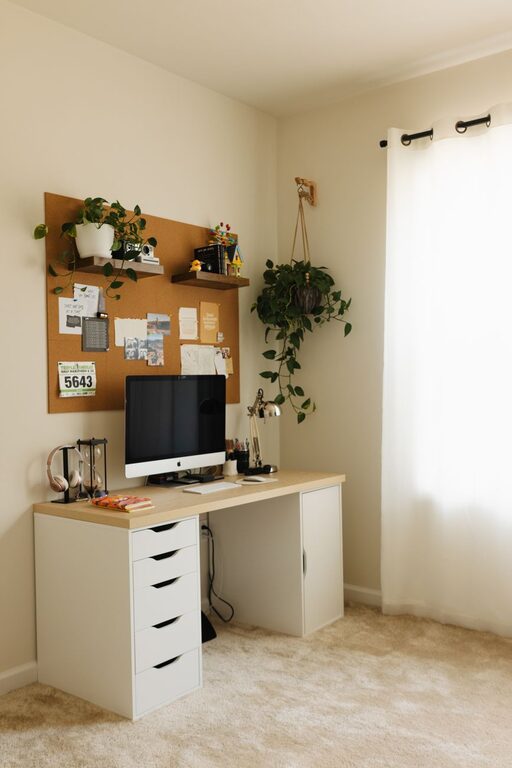
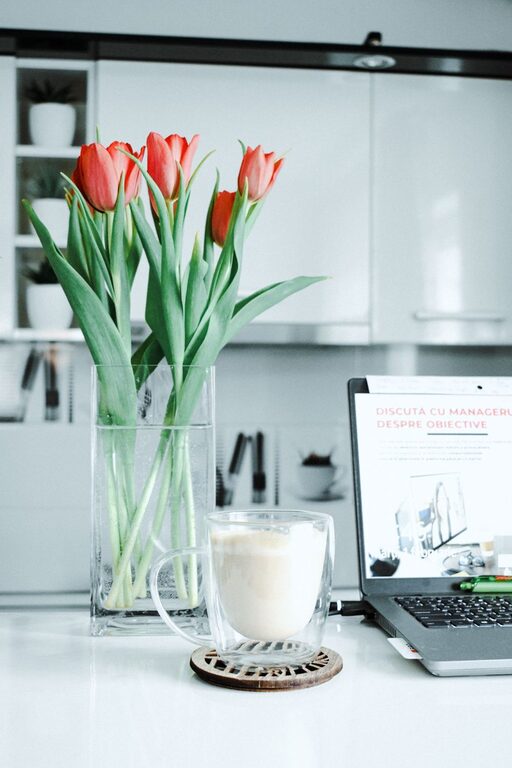
Creating a relaxing home workspace is essential for maintaining focus and boosting productivity, especially as more people adapt to working remotely. A well-designed workspace can reduce stress, improve comfort, and help you stay motivated throughout the day. Whether you have a dedicated office room or a small corner in your living space, these tips will help you transform your area into a calm, efficient environment.
Why a Relaxing Workspace Matters
Stress and distractions can significantly reduce work quality and efficiency. A relaxing workspace provides a peaceful atmosphere that helps clear your mind and encourages creativity. When your environment supports your mental and physical well-being, you’re more likely to complete tasks effectively and feel satisfied with your work.
Choose the Right Location
Find a Quiet Spot
Select a location in your home that experiences minimal noise and foot traffic. Away from loud appliances or busy areas, this spot will help you concentrate without interruptions.
Consider Natural Light
Natural light can boost mood and energy levels. If possible, position your desk near a window. This not only brightens your workspace but also gives you a view that can offer brief mental breaks during work.
Invest in Comfortable Furniture
Quality Chair and Desk
A supportive chair and an appropriately sized desk are foundational to comfort. Ergonomic chairs help maintain good posture, reducing strain on the back and neck.
Keep Essentials Within Reach
Arrange your desk so that frequently used items like your computer, notepads, and pens are easily accessible. This minimizes movement and keeps you focused.
Optimize Lighting
Use Warm, Adjustable Lighting
Besides natural light, ensure your workspace has soft, adjustable lighting. Harsh or overly bright lights can cause eye strain and fatigue.
Add Task Lighting
A desk lamp with adjustable brightness helps illuminate your work area without affecting the room’s overall mood.
Incorporate Calming Colors and Decor
Choose Soothing Colors
Colors influence emotions. Soft blues, greens, or neutral tones create a calming atmosphere, which can reduce stress.
Personalize Thoughtfully
Include a few personal touches such as plants, artwork, or photos. These elements make your workspace more inviting without causing clutter.
Manage Clutter and Stay Organized
Use Storage Solutions
Organizers, shelves, and drawers help keep supplies neat. A tidy space makes it easier to find what you need and reduces mental distractions.
Maintain a Daily Cleanup Routine
Spend a few minutes at the end of each day organizing your desk. This habit keeps your workspace ready for the next day’s work.
Integrate Relaxation Techniques
Take Regular Breaks
Short breaks during work help refresh your mind. Step away from your desk, stretch, or practice deep-breathing exercises.
Add Aromatherapy
Using calming scents like lavender or eucalyptus through a diffuser can create a tranquil ambiance, promoting relaxation and focus.
Minimize Digital Distractions
Limit Notifications
Turn off non-essential notifications on your devices during work hours to maintain concentration.
Use Focus Apps
Consider productivity tools that block distracting websites temporarily or remind you to take breaks.
Create a Dedicated Work Routine
Set Clear Work Hours
Establishing consistent start and end times helps separate work from personal life, reducing the chance of burnout.
Prepare Your Workspace Daily
Spend a few moments each morning arranging your desk and setting your priorities. This routine helps transition your mind into work mode.
Final Thoughts
Designing a relaxing home workspace doesn’t require a large budget or a dedicated room. Small changes in location, lighting, furniture, and organization can make a significant difference in your productivity and well-being. By creating a space that feels calm and inviting, you set the stage for successful, focused workdays. Start implementing these tips today and enjoy the benefits of a balanced, efficient home workspace.
About the Author