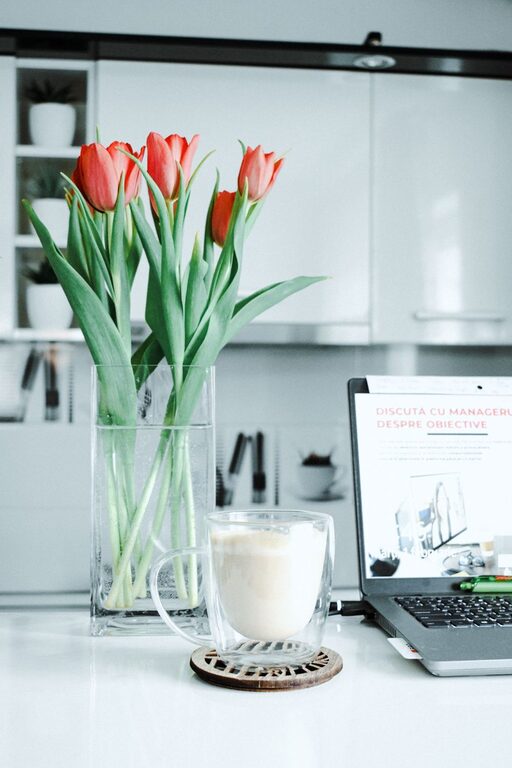
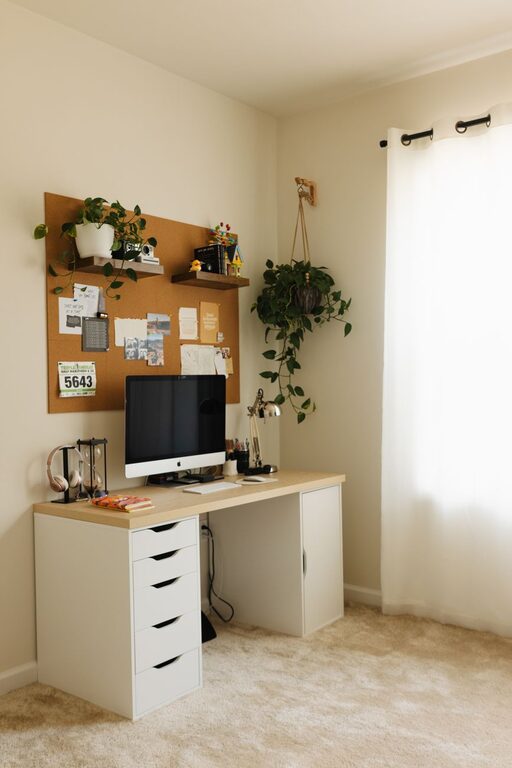
Creating a home office that feels cozy and inspires productivity is essential in today’s work-from-home culture. A well-designed workspace can help you stay focused, reduce stress, and enhance your overall work experience. Whether you have a dedicated room or a small corner in your home, these tips will help you craft an environment where comfort meets efficiency.
1. Choose the Right Location
The first step in setting up your home office is picking the perfect spot. Ideally, the space should be:
– Quiet and free from distractions: Choose an area away from heavy foot traffic or noisy appliances.
– Well-lit: Natural light is best, so position your desk near a window if possible.
– Ample space: Ensure you have enough room for your desk, chair, and necessary equipment.
If a separate room isn’t available, carve out a nook with a room divider or shelving to create a sense of separation.
2. Invest in Ergonomic Furniture
Comfort plays a huge role in productivity, so prioritize ergonomics:
– Supportive chair: Choose an adjustable chair with good lumbar support to prevent back pain.
– Appropriate desk height: Your desk should allow your elbows to rest at a 90-degree angle while typing.
– Standing desk option: Consider a sit-stand desk to alternate between sitting and standing, promoting better circulation.
Investing in quality furniture pays off by maintaining comfort throughout the workday.
3. Optimize Lighting
Good lighting reduces eye strain and boosts alertness:
– Maximize natural light: Position your desk near a window but avoid glare on your screen.
– Task lighting: Use a desk lamp with adjustable brightness for focused work.
– Ambient lighting: Soft overhead lighting can create a warm and inviting atmosphere.
Avoid harsh fluorescent lights and experiment with bulbs that mimic daylight for a natural feel.
4. Keep it Organized
An organized workspace limits stress and distractions:
– Declutter regularly: Remove unnecessary items from your desk daily.
– Storage solutions: Use shelves, drawers, or filing cabinets to keep supplies out of sight but accessible.
– Cable management: Use clips or cable sleeves to keep cords tidy and prevent tangling.
Consider labeling storage bins and folders for easy access to documents and supplies.
5. Personalize Your Space
Adding personal touches makes your office feel welcoming:
– Plants: Indoor plants improve air quality and add a touch of nature.
– Artwork and photos: Choose images that inspire or bring you joy.
– Color: Use calming colors like soft blues or greens to create a relaxed ambiance.
Just be careful not to overcrowd your desk with too many items that can become distracting.
6. Minimize Noise Distractions
Noise can disrupt focus, so try these tips to keep your space quiet:
– Noise-cancelling headphones: Great for blocking out background sounds.
– White noise machines: Can mask disruptive noises gently.
– Soundproofing: Place rugs, curtains, or acoustic panels around your office to absorb noise.
If possible, inform household members of your work hours to reduce interruptions.
7. Incorporate Movement Breaks
Sitting for long periods can affect health and concentration:
– Set reminders: Use apps or alarms to prompt standing or stretching breaks.
– Exercise equipment: Keep a yoga mat or resistance bands nearby for quick workouts.
– Walking meetings: Take phone calls while walking around your home if possible.
Regular movement helps refresh your mind and body during the workday.
8. Leverage Technology Wisely
Technology should support, not hinder, your workflow:
– Reliable internet: Ensure your connection is strong and consistent.
– Efficient devices: Use up-to-date computers, printers, and peripherals.
– Organizational tools: Apps for task management and calendars keep you on track.
Keep software updated and back up important files regularly to avoid disruptions.
9. Maintain a Work-Life Balance
Finally, your home office should help you separate work from personal life:
– Set boundaries: Define work hours and stick to them.
– End-of-day routine: Clear your desk and shut down your computer to signal work is over.
– Break spaces: Use a different area for lunch or relaxation away from your desk.
Creating this mental separation prevents burnout and helps you recharge.
—
Designing a cozy and productive home office combines comfort, good organization, and an environment tailored to your needs. By following these tips, you can create a workspace that motivates you and supports your well-being, making your work-from-home days more enjoyable and efficient.
About the Author