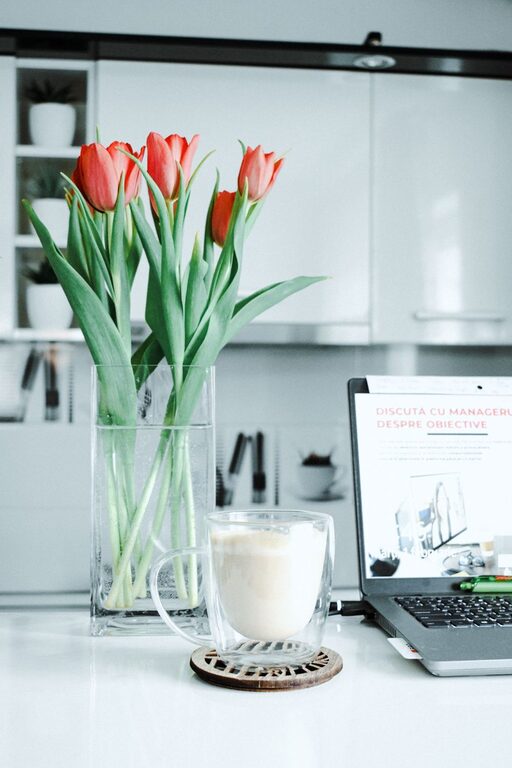

Creating a productive home workspace is essential for anyone who works remotely, studies, or pursues creative projects. A well-organized environment not only makes it easier to focus but also helps inspire new ideas and improve overall efficiency. In this post, we’ll explore practical tips to arrange your workspace so it supports both creativity and productivity.
Why Organizing Your Home Workspace Matters
Your environment has a strong impact on your work habits, mood, and creative flow. Clutter or distractions can reduce focus and increase stress, while a clean, organized space promotes clarity and motivation. By carefully designing your workspace, you set yourself up for success, making it easier to stay productive throughout the day.
Choose the Right Location
– Find a quiet spot: Select a part of your home with minimal noise and foot traffic.
– Good natural light: Position your desk near a window if possible to take advantage of daylight.
– Comfort matters: Choose a location where you feel relaxed but alert.
Invest in Functional Furniture
– Ergonomic chair: Support your posture with a comfortable chair that encourages good spine alignment.
– Spacious desk: Your desk should be large enough to hold your computer, notebooks, and other essentials without feeling cramped.
– Storage solutions: Incorporate shelves, drawers, or filing cabinets to keep materials tidy and accessible.
Declutter to Clear Your Mind
– Regular tidy-up: Set a daily or weekly routine to clear unnecessary items from your workspace.
– Limit distractions: Keep only the items you need for your current tasks on your desk.
– Use organizers: Trays, file holders, and drawer dividers can help manage papers and supplies efficiently.
Personalize Your Workspace Mindfully
– Add inspiring elements: Photos, artwork, or quotes that motivate you can stimulate creativity.
– Keep it simple: Avoid overcrowding your space with decorations that may distract you.
– Bring nature in: Small plants can boost mood and air quality while adding a natural touch.
Optimize Lighting
– Combine natural and artificial light: Use daylight during the day and quality task lighting in the evening.
– Adjustable desk lamps: Provide focused light for reading or detailed work without straining your eyes.
– Avoid glare: Position screens and lights to minimize reflections.
Organize Your Digital Workspace
– Clear desktop: Keep only essential files and shortcuts visible.
– Efficient file system: Use folders and consistent naming conventions to find items quickly.
– Productivity tools: Explore apps for task management, time tracking, and note-taking to streamline your workflow.
Establish a Routine That Supports Productivity
– Set work hours: Define clear start and end times to maintain work-life balance.
– Break often: Schedule short breaks to rest your eyes and stretch your body.
– Create “focus zones”: Designate specific areas for different activities, like brainstorming or meetings.
Maintain Good Habits to Keep Your Workspace Effective
– Daily cleanup: Spend a few minutes at the end of your work session organizing your desk.
– Reassess regularly: Periodically evaluate your workspace setup and make adjustments as your needs change.
– Limit multitasking: Focus on one task at a time to improve concentration and output quality.
Final Thought
Organizing a home workspace that fosters creativity and efficiency doesn’t have to be complicated. It’s about combining a functional setup with small, consistent habits that keep you inspired and on track. Take the time to arrange your environment thoughtfully, and you’ll likely see improvements in how you work and create every day.
About the Author